
In December 2025, the pilot partners of the i-Game project successfully implemented three co-creation workshops across Europe, bringing together designers, educators, students, museum professionals, and first-time game creators to collaboratively shape meaningful game ideas before entering the technological development phase. Hosted in Greece, Estonia, and Italy, the workshops demonstrated the flexibility and inclusiveness of the i-Game co-creation platform while generating valuable insights for its further improvement.
Greece: Laying the Foundations of Game Co-Creation
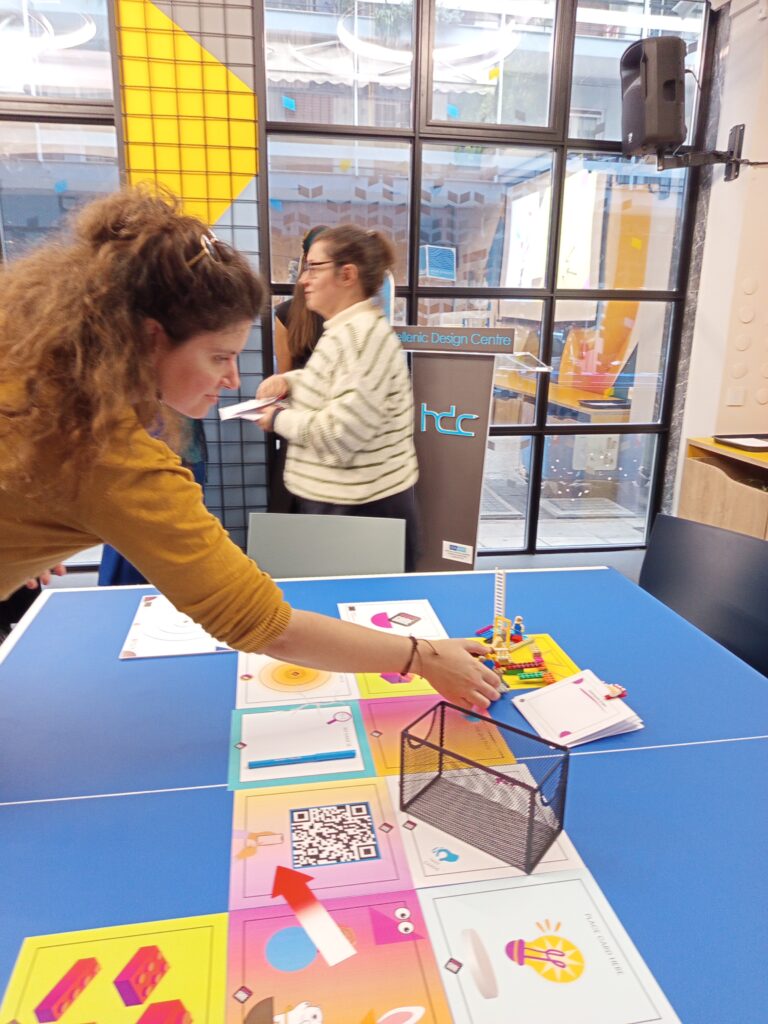
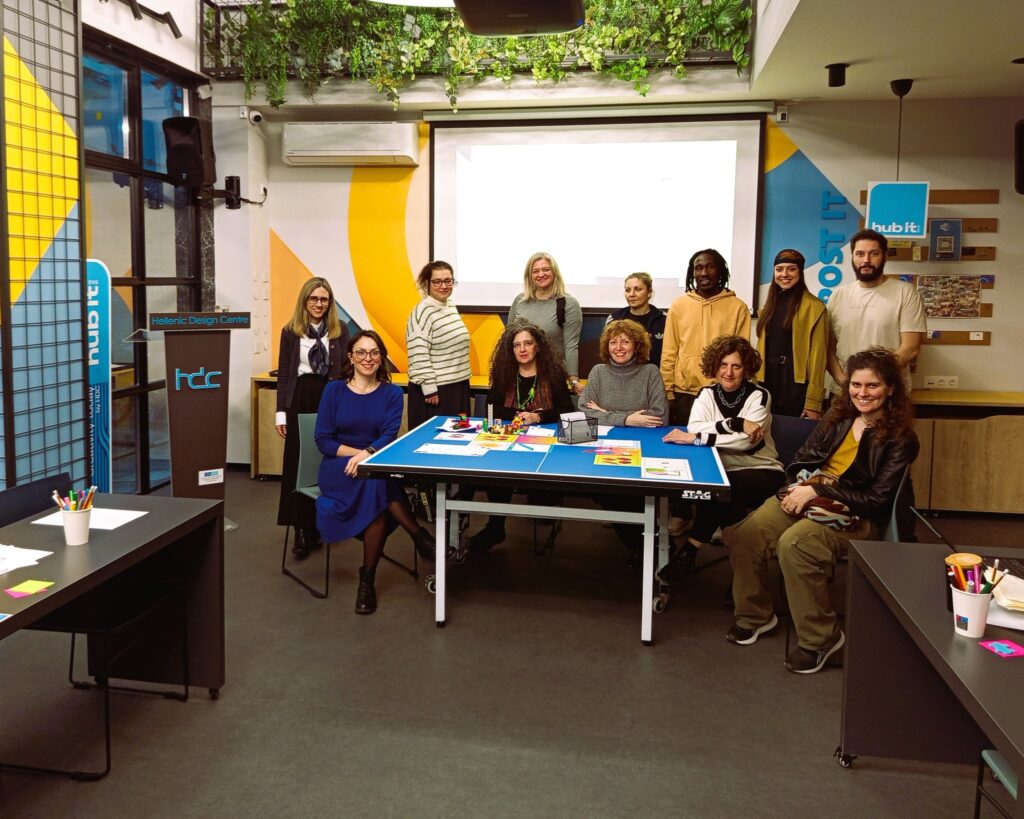
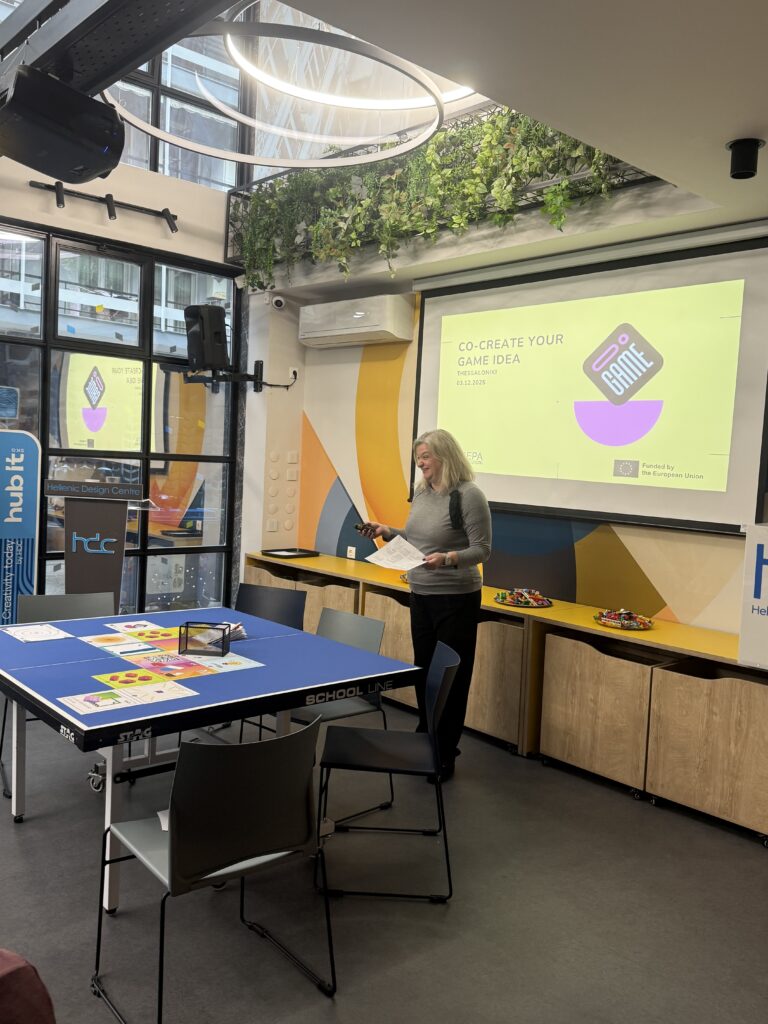
On December 3, 2025, KEPA hosted the first i-Game co-design workshop, “Co-Create your Game Idea!”, at the Hellenic Design Centre in Thessaloniki. Fashion designers, textile professionals, and university faculty members participated in a dynamic, gamified learning experience designed to introduce the core logic of the i-Game platform.
Using a live board game format, participants collaboratively defined business goals, identified methods and tools, mapped target audiences, and explored the core values of the i-Game community – participation, sustainability, and inclusiveness. This workshop set the creative groundwork for the next phases of the pilot action, preparing participants to further develop and document their game ideas through the digital co-creation platform.
Estonia: Testing the Platform Through Cultural Game Concepts
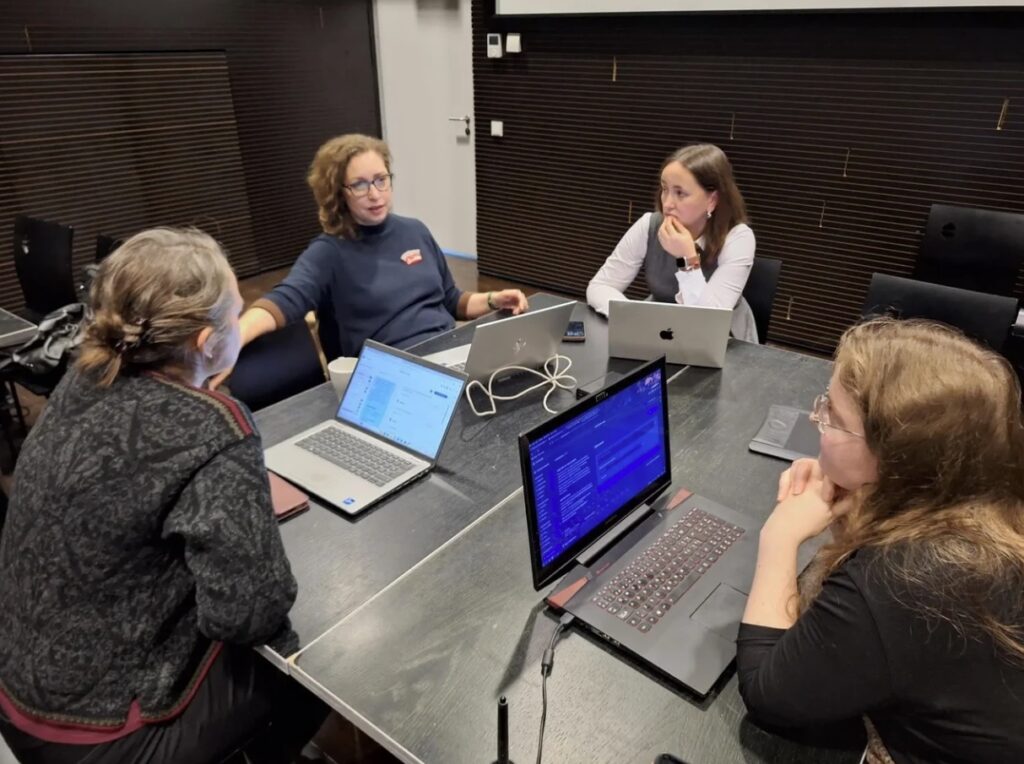
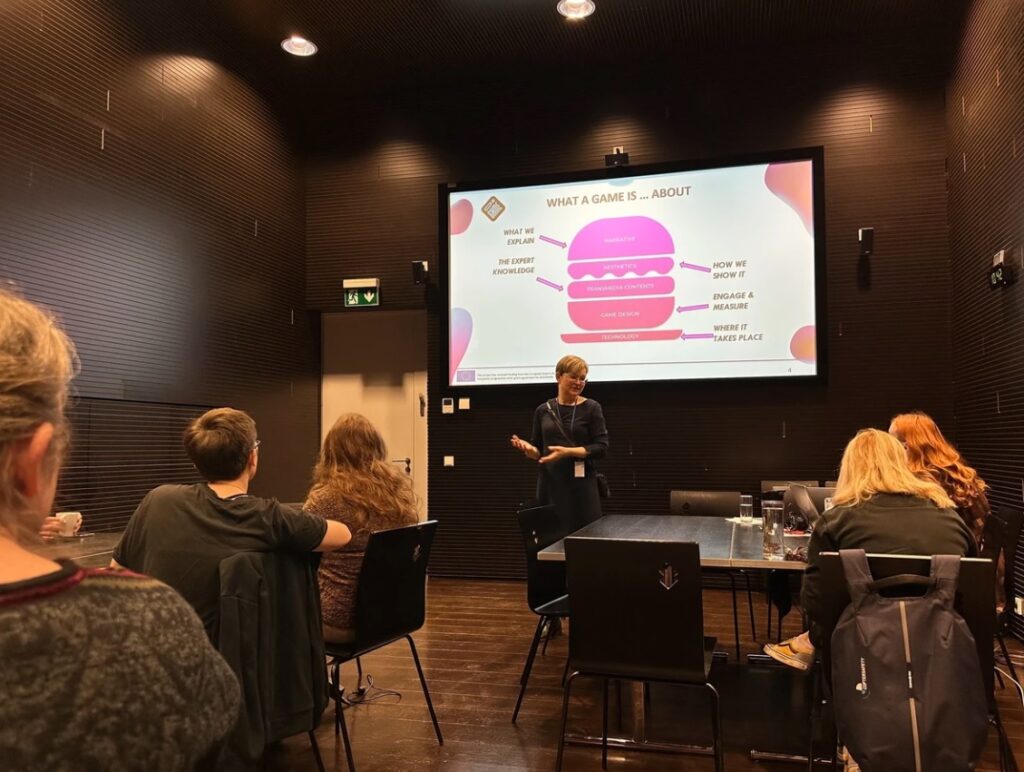
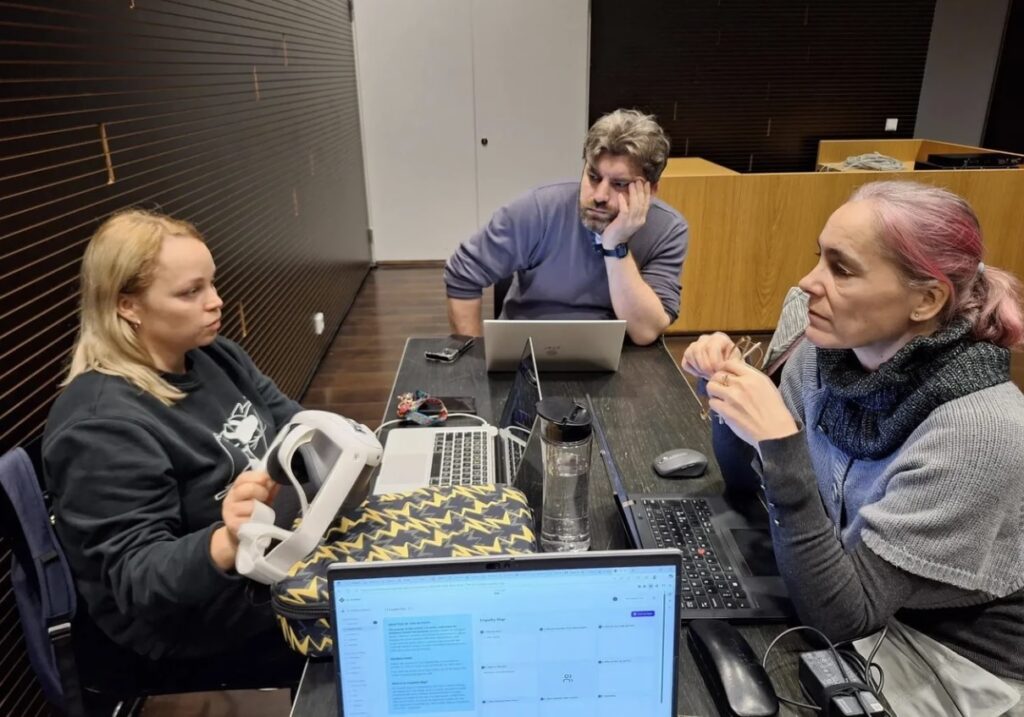
On December 8, 2025, the Estonian National Museum hosted a test session of the i-Game platform with nearly twenty participants from diverse backgrounds. After an introduction to the project’s objectives by ERM Research Secretary Agnes Aljas, participants proposed initial game ideas and worked in three interdisciplinary teams.
The concepts explored ranged from an educational game introducing primary school children to the traditional rehetuba, to a satirical game combining Estonian mythological creatures with Soviet-era everyday life, and a historically inspired journey tracing the colors of striped skirts (triibuseelik) in 18th–19th century Estonia.
Participants highlighted the platform’s step-by-step structure as a strong support for systematic idea development, while also noting that predefined categories could sometimes feel restrictive. Despite this, many first-time game creators expressed high satisfaction with the experience, providing constructive feedback that will directly inform platform refinement.
Italy: Connecting Sustainability, Emotion, and Game Design
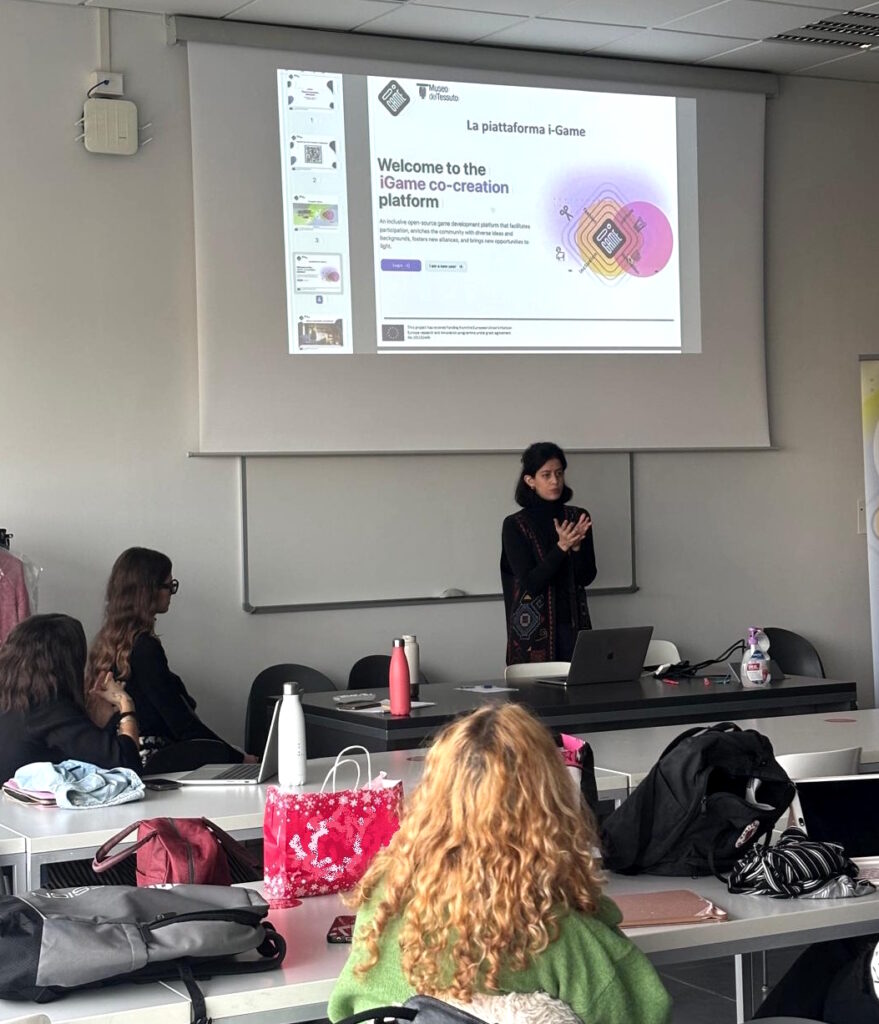
The third workshop, “i-Game Playing Sustainability,” took place on December 10, 2025, at the University of Florence’s Design Campus in Calenzano, hosted by the Museo del Tessuto in collaboration with the Game Design Laboratory of the Fashion Design program.
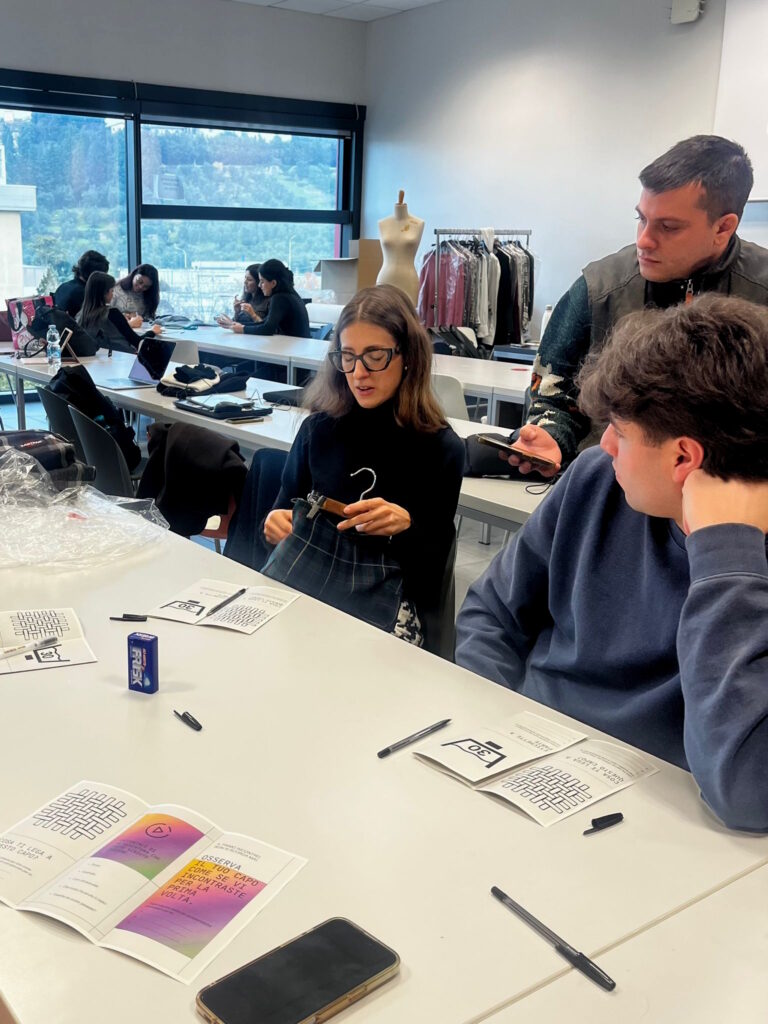
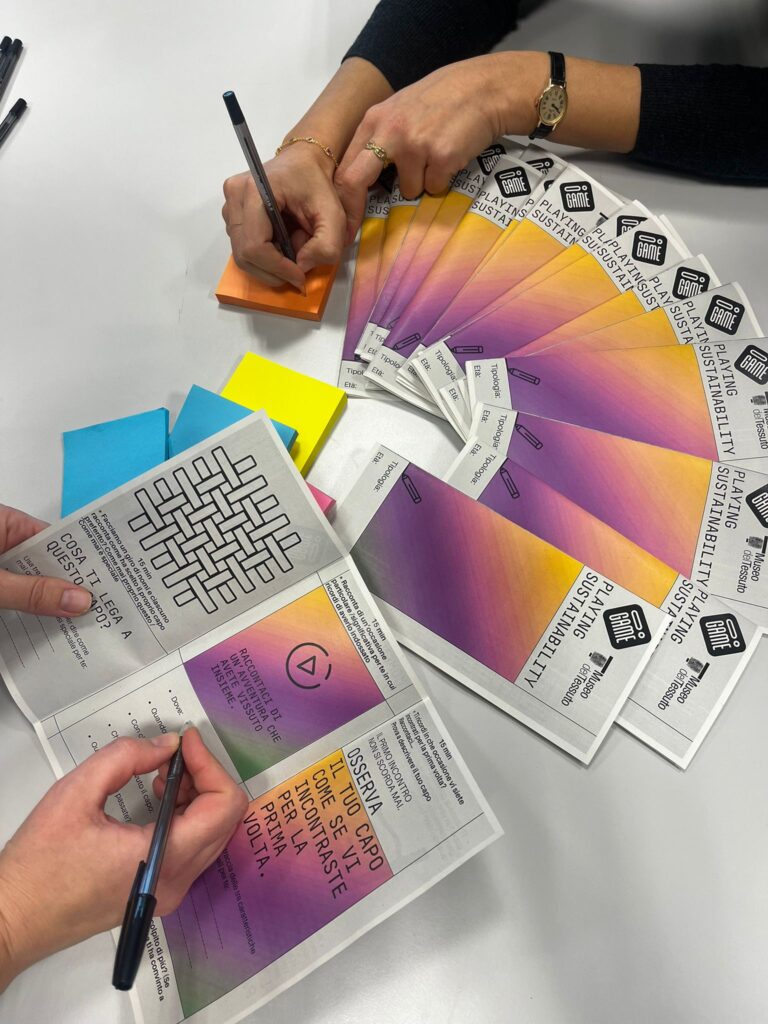
Students began by presenting their own digital game concepts focused on fashion sustainability, after which the i-Game project and platform were introduced. Working in small groups, participants used personally meaningful garments as the starting point for reflection, guided by a structured booklet. Through storytelling, care practices, and repair strategies, garments were “humanized,” allowing students to explore emotional and relational drivers behind sustainable behavior.
The session concluded with a targeted survey and an invitation for continued involvement in future co-creation activities. For the Museo del Tessuto, the workshop proved instrumental in strengthening connections with younger audiences and ensuring that future game content remains firmly user centered.
A Shared Outcome
Across all three workshops, the i-Game co-creation approach demonstrated its capacity to bring together diverse audiences, stimulate creativity, and support structured reflection on game design, sustainability, and cultural heritage. The insights gathered will play a crucial role in refining the platform and shaping the next steps of the i-Game project ensuring that the games developed are meaningful, inclusive, and grounded in real user experiences.